1. Introduction to HDPE Woven Pipes
1.1 Understanding the evolution of irrigation piping
Irrigation systems have steadily evolved from rudimentary canals to advanced, precision-engineered pipelines. Farmers today require materials that can endure fluctuating pressures, unpredictable climates, and continuous usage. Traditional metal and PVC pipes often fracture, corrode, or weigh down logistics. The agricultural sector needed a more resilient, adaptable solution—and that need accelerated the rise of hdpe woven pipes.
1.2 What makes HDPE woven pipes distinct
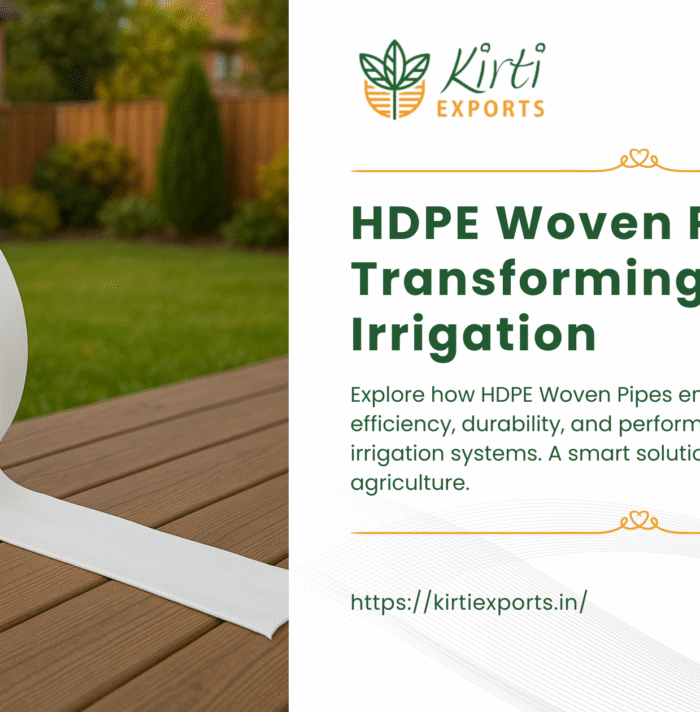
HDPE woven pipes combine the flexibility of polymer materials with an intricate woven structure that boosts strength and endurance. Their layered composition offers a rare balance of toughness and adaptability, making them stand out among contemporary irrigation components.
2. Material Composition and Structural Strength
2.1 High-density polyethylene and its advantages
High-density polyethylene is renowned for its tensile resilience, hydrophobic nature, and resistance to abrasion. HDPE provides a robust framework capable of withstanding continuous water flow, heavy pressure loads, and harsh environmental exposure.
2.2 Woven reinforcement for superior durability
What elevates hdpe woven pipes above conventional alternatives is the woven mesh embedded within their build. This reinforcement stabilizes the pipe, minimizes elongation under pressure, and enhances resistance against mechanical damage—allowing it to thrive where typical pipes fail.
3. Key Benefits in Modern Irrigation
3.1 Exceptional flexibility and lightweight handling
Unlike rigid piping, hdpe woven pipes offer impressive pliability. Farmers can maneuver them across uneven landscapes with minimal effort, reducing installation time and physical strain.
3.2 Corrosion and chemical resistance
Corrosive soil conditions and chemical fertilizers often degrade traditional pipes. HDPE woven pipes, however, are immune to rust and chemical deterioration, maintaining their structure even after prolonged exposure.
3.3 Reduced leakage and enhanced water efficiency
Water conservation is paramount in modern agriculture. The precise weaving technique minimizes micro-cracks and leakage points, ensuring efficient water distribution and reduced wastage.
4. Performance in Diverse Agricultural Conditions
4.1 Suitability for varied terrains and climates
From arid deserts to heavy monsoon regions, HDPE woven pipes adapt seamlessly. Their flexible composition absorbs environmental stress without cracking or expanding excessively.
4.2 Pressure-bearing capacity in demanding fields
These pipes demonstrate exceptional endurance under high pressure, making them ideal for sprinkler systems, drip lines, and long-distance water conveyance.
5. Installation and Maintenance Advantages
5.1 Quick deployment and simplified setup
HDPE woven pipes can be laid out rapidly, even with minimal tools. Their lightweight nature eliminates the need for heavy machinery, making deployment accessible for small and large farms alike.
5.2 Low maintenance requirements over long-term use
Thanks to their resistance to corrosion, punctures, and deformation, maintenance tasks become infrequent. Farmers benefit from uninterrupted irrigation cycles and reduced operational downtime.
6. Cost Efficiency for Farmers
6.1 Lower operational costs
Operational expenses decline significantly due to reduced leakage, minimal breakage, and minimal maintenance needs.
6.2 Maximizing ROI through long service life
With a long functional lifespan, hdpe woven pipe deliver enduring value, enabling farmers to extract maximum returns from a single investment.
7. Environmental Impact and Sustainability
7.1 Reduced water wastage
Efficient water transfer reduces over-consumption, supports groundwater conservation, and helps maintain ecological balance.
7.2 Recyclability and eco-friendly material footprint
HDPE is recyclable, making these pipes an environmentally responsible choice. Their production generates a smaller carbon footprint compared to metal or PVC alternatives.
8. Technological Advancements in HDPE Woven Pipes
8.1 Enhanced weaving technologies
State-of-the-art weaving methods incorporate denser meshes and precision layering, which elevate pressure tolerance and overall utility.
8.2 Innovations in pressure distribution
Engineers continue to refine internal wall structuring, ensuring more uniform pressure distribution across long distances.
10. Future Outlook of HDPE Woven Pipes
10.1 Integration with smart irrigation solutions
As precision agriculture expands, HDPE woven pipe will align with IoT-enabled valves, automated flow control, and moisture-responsive systems.
10.2 Growing demand in sustainable farming practices
The global shift toward water-efficient, eco-friendly farming is accelerating the adoption of HDPE woven pipe across continents.
- Conclusion
Kirti Export’s HDPE woven pipes are redefining irrigation with their superior strength, unwavering durability, and unmatched cost efficiency. Their adaptability and sustainability position them at the forefront of modern agricultural infrastructure. As farming continues to evolve, these pipes will remain an essential driver of efficient, reliable, and eco-conscious irrigation systems.