1. Introduction to Anti Thrip Nets
1.1 What are Anti Thrip Nets
Anti Thrip Nets are finely engineered agricultural meshes designed to block even the tiniest invasive pests. Unlike conventional barriers, these nets possess a high-density weave that prevents thrips from infiltrating crop zones. They act as a silent sentinel, guarding plants without disrupting airflow or sunlight.
1.2 Why farmers are shifting to protective nets
Modern agriculture demands precision and sustainability. Farmers are gradually abandoning excessive pesticide use in favor of smarter, eco-conscious solutions. Anti Thrip Nets offer a harmonious balance between protection and productivity, making them an indispensable asset.
2. Understanding Thrips and Their Damage
2.1 What are thrips
Thrips are minuscule, slender insects that thrive on plant sap. Their size is deceptive. Despite their microscopic presence, they multiply rapidly and spread across fields with alarming speed.
2.2 Impact of thrips on crops
The damage is often catastrophic. Leaves curl, discoloration spreads, and plant vitality diminishes. In severe infestations, entire harvests can be compromised. Thrips are not merely pests; they are silent devastators.
3. How Anti Thrip Nets Work
3.1 Scientific mechanism behind the nets
These nets function through precision filtration. Their micro-perforated structure creates a physical barricade that denies entry to pests while allowing essential elements like air and light to permeate seamlessly.
3.2 Mesh size and pest prevention
Mesh size is the linchpin. A tighter mesh ensures that even the smallest thrips cannot penetrate. However, it must be carefully calibrated to maintain ventilation, preventing microclimatic imbalances.
4. Key Benefits of Anti Thrip Nets
4.1 Protection from micro pests
Anti Thrips Nets act as a formidable shield. They not only deter thrips but also block other microscopic pests, ensuring a comprehensive defense system.
4.2 Improved crop health and yield
Healthier plants inevitably lead to better yields. With reduced pest interference, crops grow more robust, vibrant, and productive. The difference is often visible within a single growing cycle.
5. Types of Anti Thrip Nets
5.1 Knitted Anti Thrip Nets
Knitted variants are flexible and resilient. They withstand environmental stress while maintaining structural integrity. Their elasticity makes them ideal for long-term use.
5.2 Woven Anti Thrip Nets
Woven nets, on the other hand, are rigid and economical. They provide adequate protection but may lack the durability of knitted alternatives. Their use is often situational.
6. Applications in Agriculture
6.1 Greenhouses and nurseries
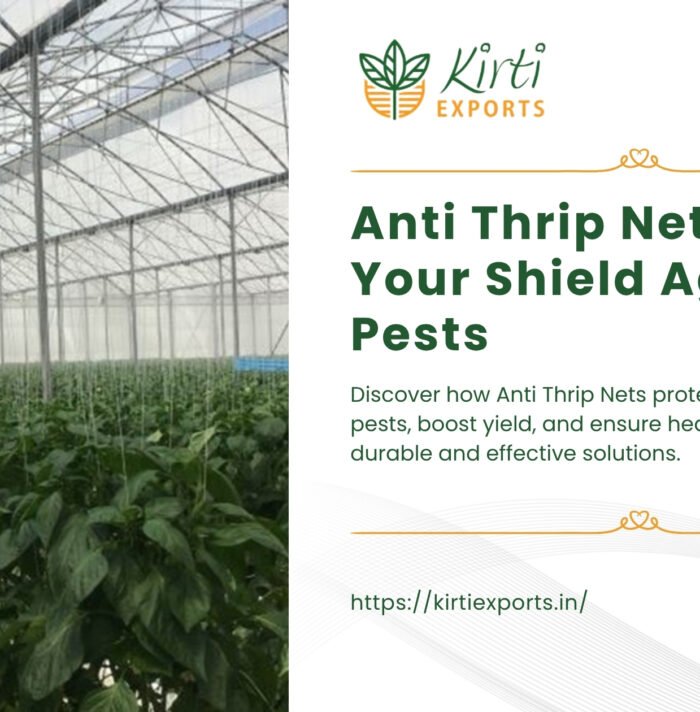
In controlled environments like greenhouses, Anti Thrips Nets are indispensable. They create a pest-free microhabitat where seedlings can flourish without external threats.
6.2 Open field farming
Even in open fields, these nets prove their worth. When installed strategically, they act as perimeter defenses, significantly reducing pest ingress.
7. Choosing the Right Anti Thrip Nets
7.1 Factors to consider before buying
Quality, mesh size, UV stabilization, and durability are critical considerations. A well-chosen net is not just a purchase; it is an investment in crop security.
7.2 Common mistakes to avoid
Opting for cheaper, low-quality nets often leads to premature failure. Ignoring proper mesh specifications can also render the net ineffective against thrips.
8. Installation and Maintenance
8.1 Proper installation techniques
Installation must be meticulous. Gaps or loose fittings can compromise the entire system. A snug, well-secured setup ensures optimal protection.
8.2 Maintenance for long-term use
Routine inspection is essential. Cleaning the nets and checking for tears prolongs their lifespan. A little maintenance goes a long way.
9. Cost vs Value Analysis
9.1 Initial investment
The upfront cost may seem substantial. However, it pales in comparison to the potential losses caused by pest infestations.
9.2 Long-term savings and ROI
Reduced pesticide usage, improved yields, and longer crop life contribute to significant savings. Over time, Anti Thrips Nets pay for themselves.
10. Environmental Impact
10.1 Reducing chemical pesticide use
By minimizing reliance on harmful chemicals, these nets promote a cleaner ecosystem. They help preserve soil health and protect beneficial insects.
10.2 Sustainable farming practices
Sustainability is no longer optional. Anti Thrip Nets align perfectly with eco-friendly farming practices, paving the way for a greener future.
11. Future of Crop Protection with Anti Thrip Nets
11.1 Innovations in net technology
Advancements are ongoing. From enhanced UV resistance to smarter materials, the evolution of Anti Thrip Net continues to redefine agricultural efficiency.
11.2 Growing global demand
As awareness spreads, demand is surging worldwide. Farmers across regions are recognizing the unparalleled benefits of this protective solution.