1. Introduction to Anti Insect Nets
1.1 What are Anti Insect Nets
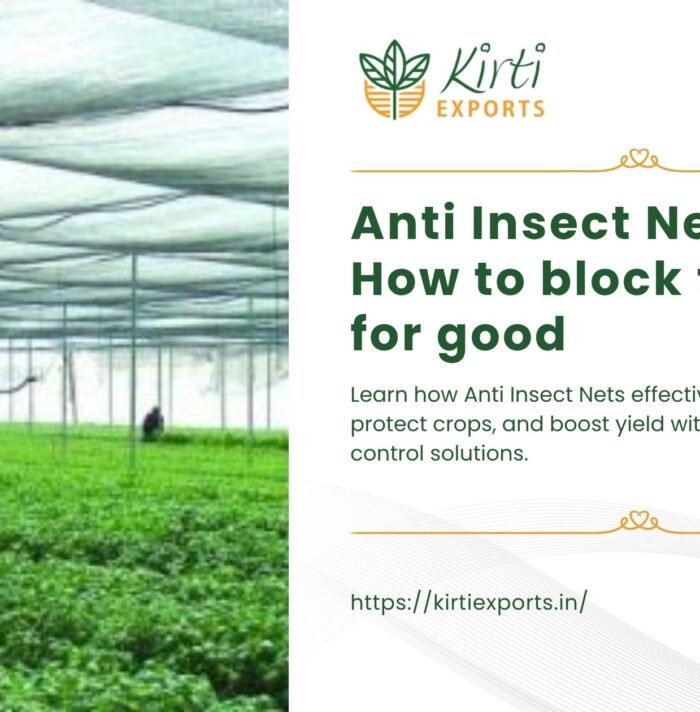
Anti Insect Nets are an ingenious agricultural innovation designed to create a protective cocoon around crops. Manufactured using high density polyethylene, these nets are both resilient and permeable. They allow essential elements like sunlight and air to pass through while forming an impenetrable barricade against pests. A simple concept, yet profoundly effective.
1.2 The growing threat of thrips in agriculture
Thrips have emerged as one of the most pernicious adversaries in modern farming. Their microscopic stature belies their destructive potential. They infiltrate silently, reproduce exponentially, and leave behind a trail of devastation. In regions with warm climates, their proliferation becomes almost uncontainable without robust preventive measures.
2. Thrips A Silent Crop Destroyer
2.1 Lifecycle and rapid multiplication
Thrips possess a lifecycle that is both intricate and alarmingly efficient. Eggs hatch into larvae, which mature swiftly into adults capable of reproduction within days. This rapid generational turnover creates an explosive population surge. A minor infestation can escalate into a full blown crisis in a remarkably short span.
2.2 Types of damage caused by thrips
Their feeding mechanism is uniquely destructive. Thrips puncture plant cells and extract their contents, leading to discoloration and deformation. Leaves develop silvery streaks. Fruits lose their aesthetic appeal. Worse still, thrips act as vectors for viral pathogens, compounding the damage beyond mere physical harm.
3. The Shortcomings of Chemical Control
3.1 Declining effectiveness of pesticides
Pesticides, once considered a panacea, now reveal their limitations. Overuse has led to diminishing returns. Thrips populations adapt quickly, rendering many chemical solutions ineffectual. The result is a relentless cycle of increasing dosage and decreasing efficacy.
3.2 Environmental and health repercussions
The ramifications extend beyond the field. Chemical residues contaminate soil and water. Beneficial insects are inadvertently eliminated, disrupting ecological harmony. Human health concerns further exacerbate the issue, making reliance on pesticides increasingly untenable.
4. Anti Insect Nets A Modern Solution
4.1 Material composition and design
Anti Insect Nets are meticulously engineered. The polymer threads are UV stabilized, ensuring durability under prolonged sun exposure. Their structure is lightweight yet robust, offering both flexibility and strength.
4.2 Importance of mesh precision
Mesh size is not a trivial detail—it is the cornerstone of effectiveness. A finely calibrated mesh prevents even the smallest thrips from penetrating, while still permitting adequate ventilation. This delicate equilibrium defines the net’s performance.
5. The Science Behind Blocking Thrips
5.1 Physical exclusion principle
The brilliance of Anti Insect Nets lies in their simplicity. They operate on the principle of exclusion. By denying entry, they eliminate the possibility of infestation. No chemicals. No resistance. Just absolute prevention.
5.2 Maintaining microclimate balance
Despite forming a barrier, these nets preserve the internal microclimate. Air circulates freely. Sunlight diffuses evenly. The environment remains conducive to optimal plant growth, ensuring productivity is not compromised.
6. Advantages of Using Anti Insect Nets
6.1 Healthier crops and improved yield
With pests effectively barred, crops flourish. Leaves remain vibrant, fruits develop uniformly, and overall plant vigor improves. The difference is both visible and measurable.
6.2 Reduced dependency on chemicals
A significant reduction in pesticide usage follows naturally. This not only lowers costs but also aligns farming practices with sustainable and eco conscious principles.
7. Applications Across Farming Systems
7.1 Greenhouse and polyhouse usage
In controlled environments, Anti Insect Nets serve as a first line of defense. They create a sealed ecosystem, preventing external contamination and ensuring consistent crop quality.
7.2 Open field and nursery applications
Even in open cultivation, strategic deployment of nets offers substantial protection. Nurseries, in particular, benefit immensely as young plants are shielded during their most vulnerable stages.
8. Installation Techniques That Matter
8.1 Ensuring complete coverage
Installation demands precision. Nets must be secured tightly, covering every संभावित entry point. Even a minor gap can undermine the entire system.
8.2 Avoiding common installation flaws
Improper tension, loose fittings, and neglected access points are common pitfalls. Attention to detail during installation ensures maximum efficacy.
9. Maintenance for Long Term Efficiency
9.1 Cleaning and care routines
Dust accumulation can impede airflow. Periodic cleaning preserves functionality. Gentle handling extends the life of the material.
9.2 Factors affecting durability
Exposure to harsh weather, UV intensity, and material quality influence longevity. High grade Anti Insect Nets can endure multiple growing cycles with minimal degradation.
10. Economic Impact on Farming Operations
10.1 Cost effectiveness over time
The initial investment may seem considerable. However, the long term savings from reduced crop loss and lower chemical usage make it a financially prudent choice.
10.2 Enhancing export quality produce
Pest free crops meet stringent international standards. This enhances marketability and opens doors to lucrative export opportunities, especially for quality conscious buyers.
- Selecting the Right Anti Insect Nets
11.1 Key parameters to evaluate
Mesh size, UV resistance, tensile strength, and durability are critical parameters. Each contributes to overall performance and reliability.
11.2 Identifying premium quality nets
Uniform weaving, strong fiber composition, and trusted manufacturing sources indicate superior quality. Choosing the right supplier ensures consistent results.
12. The Future of Pest Control
12.1 Sustainable agriculture trends
Agriculture is undergoing a paradigm shift toward sustainability. Anti Insect Nets embody this transformation, offering a non-invasive yet highly effective solution.
12.2 Innovations in Anti Insect Nets
Continuous advancements are redefining possibilities. Improved materials, enhanced durability, and optimized designs promise even greater efficiency in the future.