1. Introduction to Agricultural Shade Nets
1.1 Defining the agricultural shade net
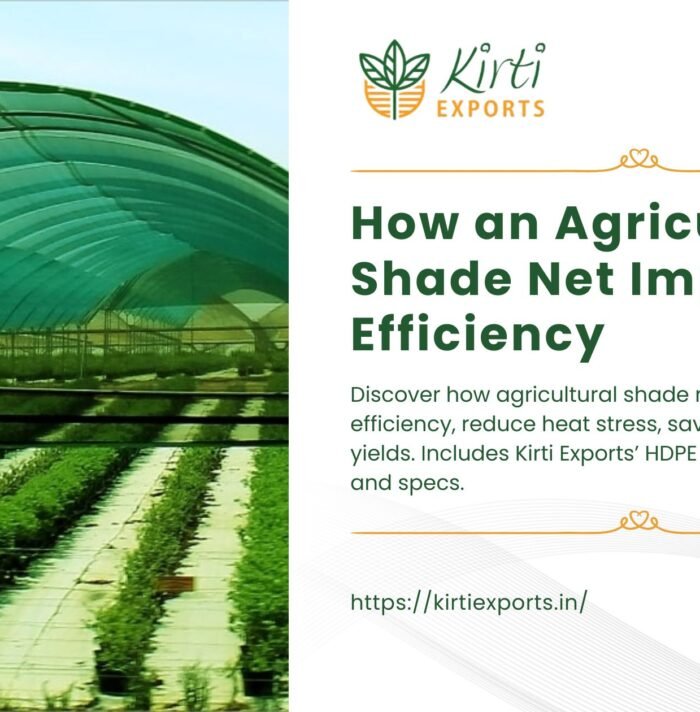
An Agricultural shade net is a highly engineered fabric used to regulate sunlight, temperature, and airflow around crops, nurseries, and greenhouse setups. These multifunctional nets offer protection from extreme elements while fostering a controlled environment where plants can flourish.
1.2 Importance of controlled shading in modern farming
As unpredictable climate patterns intensify, shade management has become indispensable. Controlled shading helps farmers mitigate heat, preserve moisture, and ensure consistent crop performance.
2. The Science of Shade Management
2.1 How sunlight filtration benefits plants
Shade nets modify the intensity and spectrum of sunlight that reaches plants. Instead of direct, unfiltered rays that can scorch foliage, shade nets create a balanced and dispersed illumination, critical for optimal photosynthesis and minimal stress.
2.2 Microclimate stabilization through shade nets
By tempering temperature and airflow, these nets create a stable microclimate. This enables plants to sustain metabolic processes efficiently, leading to robust growth and uniform crop development.
3. Reducing Heat Stress for Better Growth
3.1 Protecting crops from excessive solar radiation
Products like UV protection net for plants and anti-UV agricultural net reduce the harmful impact of intense sun. Kirti Exports’ shade nets are UV stabilized, increasing longevity and guarding crops against excessive heat.
3.2 Maintaining plant metabolism under high temperatures
Heat stress can inhibit nutrient uptake and slow growth. With the protective cover of shade nets, plants maintain stronger metabolic activity even under peak summer conditions.
4. Optimizing Water Utilization
4.1 Lowering evapotranspiration with agricultural shade net
Shade nets significantly reduce water lost through evapotranspiration, helping retain soil moisture. This is especially vital in arid regions where irrigation resources are limited.
4.2 Enhancing irrigation efficiency
With reduced water loss, irrigation becomes more strategic and cost-effective, allowing crops to absorb water more efficiently and reducing overall consumption.
5. Enhancing Crop Quality and Uniformity
5.1 Achieving consistent growth with shade-control
With regulated light and temperature, plants demonstrate evenly distributed growth, smoother leaf structures, and stronger stalks when compared to open field conditions.
5.2 Improving texture, color, and leaf structure
The moderated illumination of shade nets enhances the aesthetic and compositional quality of crops—especially noticeable in delicate horticultural varieties and leafy greens.
6. Creating Ideal Nursery Conditions
6.1 Germination advantages under greenhouse shade cloth
In nurseries, greenhouse shade cloth ensures that seedlings receive just the right amount of light, protection, and airflow during critical early stages.
6.2 Supporting seedling vigor using nursery shading material
By minimizing exposure to extremes, nursery shading materials help seedlings establish strong root systems and robust vegetative growth.
7. Safeguarding Crops from Environmental Extremes
7.1 Shielding from wind, dust, and hail
Shade nets act as a defensive barrier against physical stressors like wind gusts, dust storms, and light hail, reducing damage and loss.
7.2 Stabilizing seasonal variability
Whether it’s the abrupt heat of summer or intermittent cold spells, shade nets help moderate the plant environment throughout changing seasons.
8. Strengthening Pest and Bird Protection
8.1 Deterrence using crop protection nets
Crop protection nets serve dual functions—shading and pest deterrence. Shade nets decrease pest infiltration and reduce bird damage to tender crops.
8.2 Reducing reliance on chemical interventions
By physically blocking pests, farmers can decrease their dependence on pesticides, promoting healthier produce and sustainable practices.
9. Lowering Farming Costs Through Efficiency
9.1 Reducing water, pesticides, and fertilizers
With minimized stress and better environmental balance, the need for frequent irrigation, chemical inputs, and corrective treatments drops—saving money.
9.2 Extending lifespan of farm resources
Shade nets also protect soil structure and irrigation systems, extending their functional lives and reducing replacement costs.
10. Boosting Yield Through Extended Growing Seasons
10.1 Off-season cultivation made possible
Shade nets make off-season planting more feasible by controlling the environment, allowing farmers to cultivate beyond traditional cycles.
10.2 Increased annual production potential
With extended cultivation windows, overall annual yields rise—boosting profitability and food supply resilience.
11. Role of HDPE Shade Nets in Modern Farms
11.1 Durability and UV resistance
Kirti Exports’ HDPE shade nets are built to resist tearing and UV degradation. These nets maintain their protective qualities even under intense, prolonged exposure to sun, preserving performance over many seasons.
11.2 Why HDPE shade mesh is preferred
HDPE (High-Density Polyethylene) shade mesh provides lightweight strength, breathability, and ecological compatibility, as it is 100% recyclable.
12. Technical Specifications and Features from Kirti Exports
12.1 Features of Kirti Exports Shade Nets
Kirti Exports’ shade nets are:
- UV stabilized to prevent degradation.
- Lightweight yet durable for repeated installation.
- Breathable, allowing adequate airflow to reduce fungal growth.
- Fully recyclable, supporting sustainable farming.
12.2 Technical details at a glance
| Attribute | Details |
| Sun Blockage | 90%, 75%, 50%, 35% shading |
| Width (flat) | 1M – 6M (over 6M stitched) |
| Length per Roll | 50M, 100M |
| Quality | 100% Virgin HDPE |
| Colors Available | Green, Blue, Gold, Red, Yellow, Black, Multicolor |
| UV Options | UV |
| Applications | Agriculture, Horticulture, Construction, Greenhouses, Fencing |
13. Choosing the Right Shade Net for Your Needs
13.1 Understanding shade net price and variations
Shade net price varies by density, GSM, and shading percentage. Farmers should choose based on crop needs and location climate.
13.2 Selecting shading solutions for farms
Kirti Exports offers shading solutions for farms tailored to diverse environments—whether open fields or structured greenhouses.
14. Applications Beyond Agriculture
14.1 Balcony shade net options
For urban gardeners, balcony shade net solutions provide sheltered environments for potted plants and ornamental species.
14.2 Outdoor plant shading fabric for home gardeners
Home growers use outdoor plant shading fabric and garden shading sheet to protect landscapes from intense sun and to moderate temperatures.
15. Conclusion
15.1 Reinforcing the value of agricultural shade nets
An agricultural shade net is more than a protective tool—it is a strategic investment that enhances plant health, conserves resources, and strengthens operational efficiency. When farmers integrate high-quality shade nets like those from Kirti Exports into their cultivation systems, they foster resilient, productive, and sustainable agricultural ecosystems.